

What Are Vet ‘Happy Visits’ and Do They Actually Work?
Vet happy visits are short, no-treatment trips to the veterinary clinic where pets get to explore, receive treats, and interact with staff without any exam, vaccine, or procedure taking place, and yes, they genuinely work for reducing fear and anxiety over time. The goal is simple: help a pet associate the clinic with something positive instead of something scary. At Mankato Veterinary Clinic, vet happy visits are a regular part of helping anxious pets build confidence long before they ever need actual medical care.
What Is a Happy Visit at the Vet?
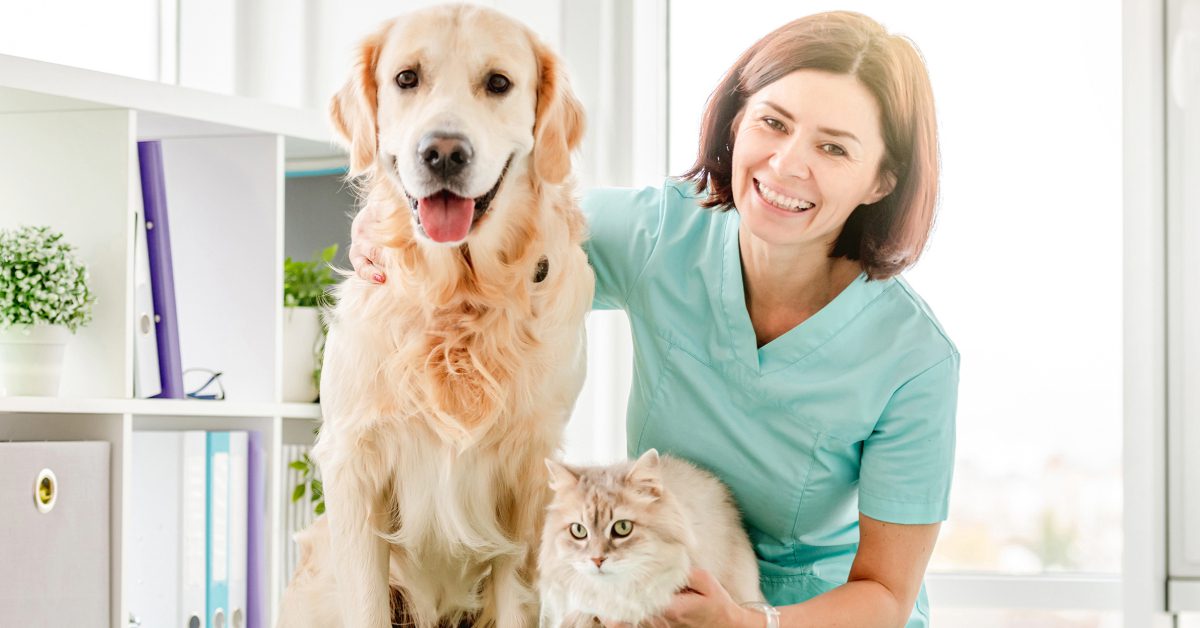
A happy visit is exactly what it sounds like: a trip to the vet where nothing stressful happens. There’s no nail trim, no vaccine, no temperature check, and no exam table. Instead, the pet walks in, gets greeted by staff, receives some treats, and walks back out.
What Typically Happens During the Visit
- Staff greet the pet by name and offer treats immediately upon arrival to build a positive first impression
- The pet is allowed to explore the lobby or an empty exam room at their own pace, sniffing and investigating without pressure
- No restraint or handling occurs unless the pet is comfortable with it, and even then, it’s kept brief and reward-based
Vet happy visits at Mankato Veterinary Clinic typically last just five to ten minutes. The short duration matters because it keeps the experience low-pressure and ends the visit on a high note, before a pet has a chance to become overwhelmed or bored. Staff intentionally avoid letting the visit run long, since even a positive experience can turn stressful if a pet is kept in an unfamiliar environment for too long. Ending on a high note, while the pet is still relaxed and engaged, is part of what makes vet happy visits effective.
Who Benefits Most from Happy Visits
Puppies and kittens benefit from vet happy visits as part of early socialization, since these early weeks and months are when pets are most receptive to forming lasting associations with new places and experiences. Introducing a young animal to the clinic in a low-pressure way helps set the tone for years of future appointments, and can make routine milestones like vaccine series and spay or neuter visits considerably smoother.
Adult pets who already show signs of anxiety at the vet can benefit just as much, even if they missed out on early socialization. Rescue animals with unknown or difficult histories are often especially good candidates for vet happy visits, since they may associate clinics with negative past experiences involving illness, injury, or a previous owner’s stress. Senior pets who have developed vet anxiety over years of uncomfortable appointments can also see improvement, though progress may take a bit longer to show. The common thread across all of these groups is that vet happy visits give the clinic a chance to become a familiar, low-stakes place instead of one only associated with discomfort.
How Do I Prepare My Dog for a Vet Happy Visit?
Preparing for a happy visit is straightforward, but a few simple steps can make the experience even more effective. The goal is to set the visit up for success so the dog leaves with a positive impression.
Pet owners can help prepare for vet happy visits by:
- Skipping a big meal beforehand so the dog is motivated by treats offered during the visit
- Bringing high-value rewards the dog doesn’t normally get at home, like small pieces of cooked chicken or a favorite training treat
- Keeping the car ride calm, since a stressful drive can undermine the positive experience once inside the clinic
It also helps to call ahead so Mankato Veterinary Clinic staff know a happy visit is planned. This allows the team to prepare treats, clear a quiet space if needed, and give the dog their full attention right away. Scheduling vet happy visits during slower hours can also reduce the chance of the lobby feeling chaotic or overwhelming, which matters most for dogs who are easily startled by unfamiliar animals or sudden noise.
Timing Visits for Long-Term Success
Spacing out vet happy visits over several weeks tends to work better than cramming them into a short window. A dog that visits once a week for a month is more likely to build a lasting positive association than one that has three visits crammed into a single week. Consistency, rather than frequency alone, is what helps the pattern stick, and most dogs show noticeably less hesitation walking through the door by the third or fourth visit.
Can Happy Visits Help a Dog That Is Terrified of the Vet?
Vet happy visits can absolutely help dogs with significant fear, though the process usually takes longer and requires more patience than it does for a mildly nervous pet. The key is starting small and building up gradually rather than expecting immediate results.
Starting Slow with Severely Anxious Dogs
For a dog that is terrified of the vet, the first few vet happy visits might not even involve going inside. Sitting in the parking lot with treats, or walking up to the door and back to the car, can be a reasonable starting point. Once a dog is comfortable in the parking lot, the next step might be stepping just inside the front door before turning around and leaving. Progress is measured in small steps, not a single visit, and pushing a severely fearful dog too far too fast can undo weeks of progress. Mankato Veterinary Clinic staff work with owners to identify a starting point that matches the dog’s current comfort level, rather than assuming every dog is ready for the same first step.
Building a Pattern of Positive Experiences
Consistency matters more than any single visit. Dogs that go through repeated vet happy visits over weeks or months tend to show a gradual reduction in stress signals like panting, trembling, or refusing to enter the building. Mankato Veterinary Clinic works with pet owners to create a realistic timeline based on the individual dog’s fear level, since some dogs show improvement within a few visits while others need a more extended process spanning several months.
When to Combine Happy Visits with Other Support
For dogs with severe anxiety, vet happy visits often work best alongside other Fear Free strategies, such as low-stress handling during future exams or adjusting how appointments are scheduled. For example, a dog that has made progress through happy visits might still benefit from being examined on the floor instead of an exam table, or from a veterinarian who takes extra time to let the dog settle before starting the physical exam. A veterinarian can help pet owners figure out the right combination based on the dog’s specific history and behavior, and can adjust the plan as the dog continues to make progress over time.
Making the Vet a Place Dogs Want to Go
The idea behind vet happy visits is simple, but the impact can be significant. A dog that learns the clinic isn’t always associated with something uncomfortable is more likely to stay calm during actual medical visits down the road, which makes appointments easier for everyone involved, including the veterinary team.
Mankato Veterinary Clinic encourages pet owners to think of vet happy visits as an investment in every future appointment, not just a one-time trick. The more positive associations a dog builds early on, the less resistance they tend to show later, whether it’s a routine wellness exam, a dental cleaning, or a more involved procedure down the road. Owners who stay consistent with vet happy visits often find that appointments become something their dog can handle calmly, rather than something to dread, and that calmer visits tend to translate into better overall care since a relaxed pet is easier to examine thoroughly. Ready to schedule your pet’s first happy visit? Call us at (507) 735-6446 today.
Recent Posts
About Us
At Mankato Veterinary Clinic in Mankato, MN, we provide personal, privately owned veterinary care for dogs and cats at every stage of life. We’re here to make each visit feel comfortable, clear, and centered on what your pet needs.