

Relief for Itchy Pets: Cat and Dog Allergies in Mankato, MN
It is hard to watch your pet feel uncomfortable in their own skin. Maybe your dog keeps licking their paws at night. Maybe your cat is scratching around their face or losing patches of hair. Maybe you have tried to wait it out, but the itching, redness, odor, or ear trouble keeps coming back.
At Mankato Veterinary Clinic, we help with cat and dog allergies by looking for the reason behind your pet’s discomfort and building a plan that fits their needs. Allergies and skin problems can feel frustrating, especially when symptoms flare, fade, and return again, but you do not have to sort through it alone.
If your pet is scratching, shaking their head, or developing repeated skin or ear problems, schedule a visit with our Mankato, MN team by calling (507) 735-6446 or booking online.
Does My Pet Have Allergies?
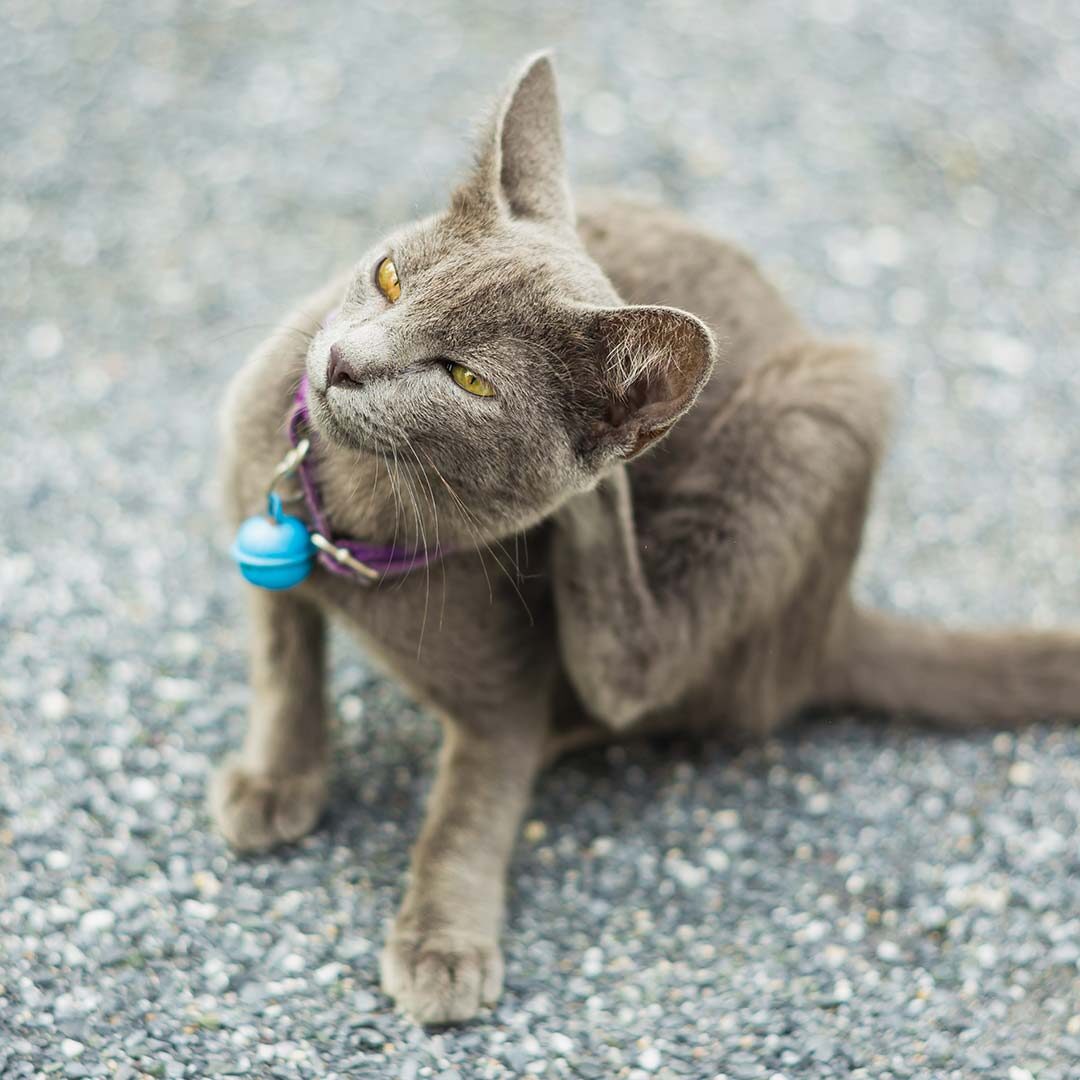
Pet allergies often show up through the skin, ears, paws, and coat. Some pets itch all over, while others focus on one area again and again. Cats may hide their symptoms by grooming privately, so hair loss or scabs may be the first clue something is wrong.
You should schedule a veterinary visit if you notice:
-
Frequent scratching
-
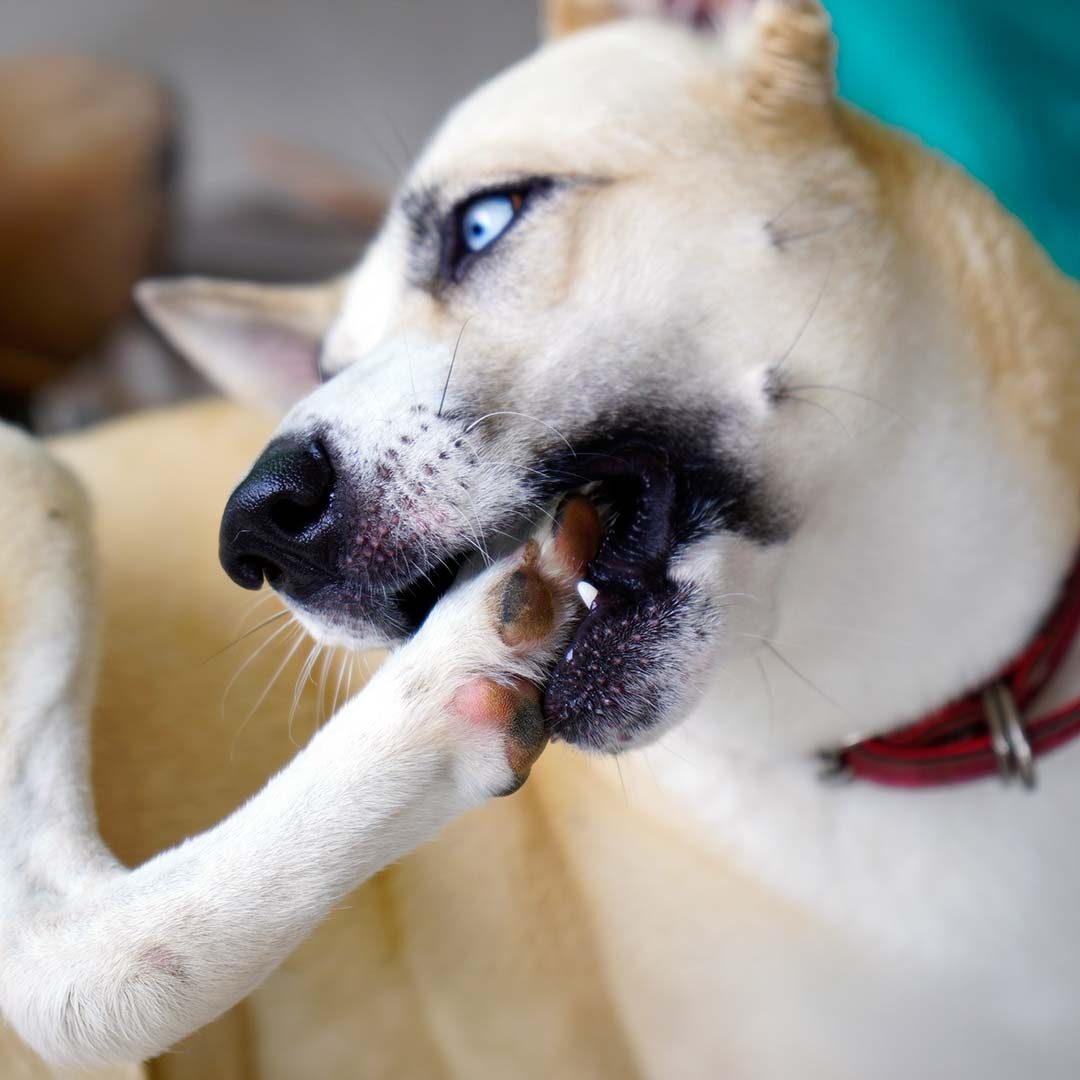
Licking or chewing the paws
-
Red, irritated, or inflamed skin
-
Hair loss or thinning fur
-
Scabs, crusts, or sores
-
Repeated ear infections
-
Head shaking
-
Rubbing the face on furniture or carpet
-
Hot spots
-
Skin odor
-
Greasy or flaky skin
-
Hives or swelling
-
Brown staining on the paws from licking
-
Scooting or irritation near the tail
-
Overgrooming in cats
Allergies may come from environmental triggers, food sensitivities, flea bites, or contact irritants. Some pets have seasonal symptoms, while others itch all year. Because different problems can look similar on the skin, a veterinary exam helps us narrow down what is most likely causing your pet’s discomfort.
What Could Be Causing My Pet’s Allergies or Skin Problems?
Environmental allergens, flea bites, and food ingredients can cause allergic skin disease in dogs and cats. Some pets itch during certain seasons. Others seem uncomfortable throughout the year. Allergies are not the only possibility. Mites, ringworm, and other skin conditions can cause similar signs. Bacterial or yeast infections can also develop alongside allergies and make an already uncomfortable pet feel worse.
Pollen, mold, and dust mites can trigger itching and inflammation. You might notice your pet licking their paws more during spring or developing the same skin problems each fall. Indoor allergens can contribute to symptoms year-round.
Pets with flea allergy dermatitis react to flea saliva. Even a few bites can leave a sensitive dog or cat intensely itchy. You may not see fleas, so an apparently flea-free coat does not rule out this problem.
Food allergies can cause persistent itching and recurring skin or ear problems. Some pets also have digestive symptoms. If we suspect a food allergy, we may recommend a supervised elimination diet trial rather than asking you to keep guessing at different foods.
How Can We Help Your Itchy Pet Feel More Comfortable?
Treatment depends on what we find. Some pets need relief from itching first. Others need treatment for infection, better parasite prevention, ear care, dietary support, or a longer-term allergy plan.
Treatment options may include:
-
Itch relief recommendations
-
Ear infection treatment
-
Skin infection treatment
-
Flea and tick prevention
-
Medicated shampoos or topical support when appropriate
-
Diet trial guidance
-
Environmental allergy management
-
Long-term allergy control plans
Our goal is to do more than quiet the symptoms for a few days. We want to understand what is driving the problem and help you create a plan that makes flare-ups easier to manage.
What Should I Expect From Ongoing Cat and Dog Allergy Care?
Many pet allergies are manageable, but they may take more than one visit. Some dogs and cats need ongoing support because their immune system continues to react to seasonal pollen, dust, mold, fleas, food ingredients, or other triggers.
Ongoing allergy care helps us adjust the plan as your pet’s needs change. A treatment that works during one season may need fine-tuning later, especially if your pet develops a skin infection, ear infection, or new pattern of itching.
It helps to watch for patterns. Does your pet itch more in spring or fall? Do their ears flare after swimming or grooming? Do they lick their paws after walks? These details can help us better understand your pet’s triggers and plan ahead instead of waiting for symptoms to spiral.
If your pet’s skin or ears are trying to tell you something, call us at (507) 735-6446 to schedule an appointment today.