

Care That Fits Your Pet: Cat and Dog Vaccinations in Mankato, MN
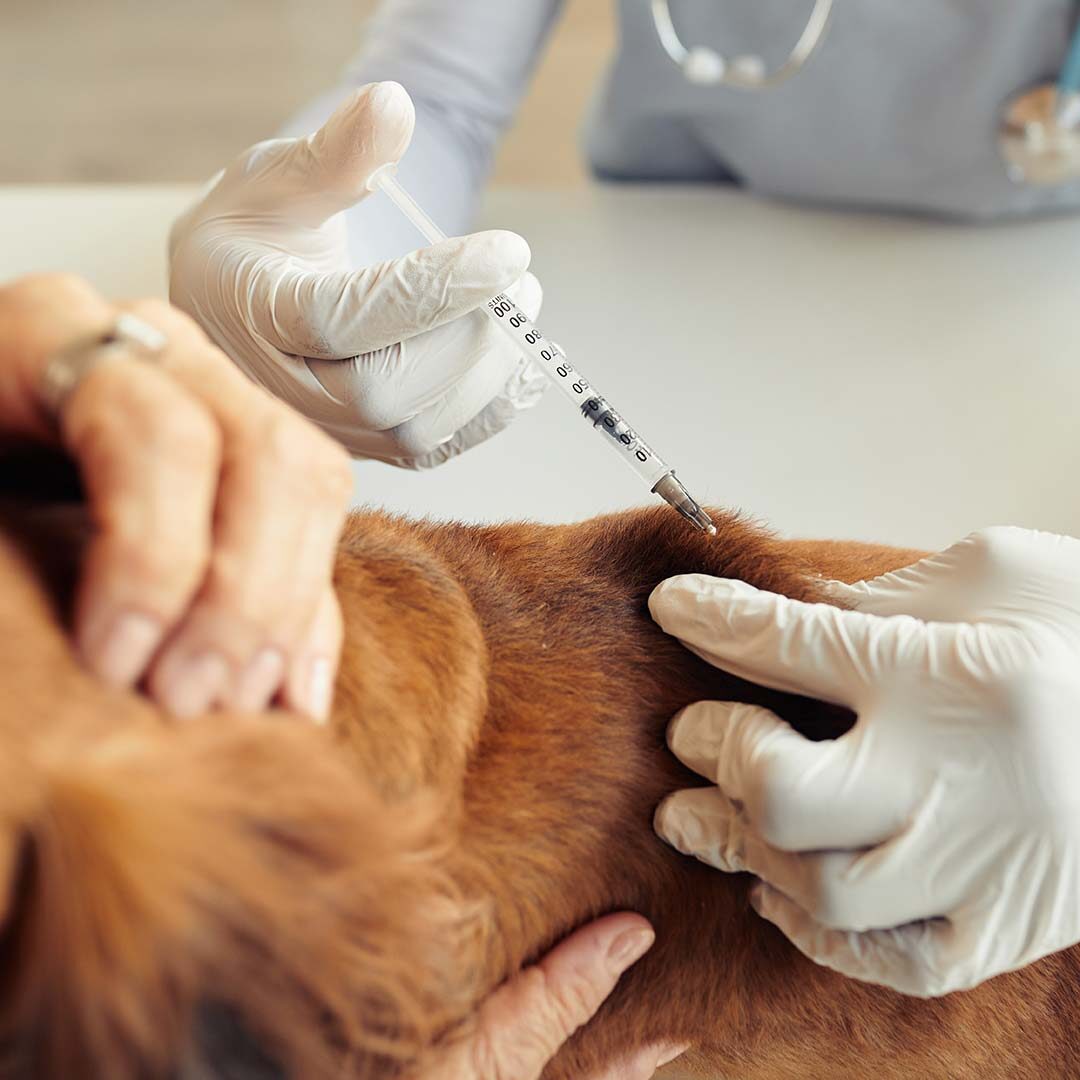
Your pet’s world may be small and familiar: your backyard, your couch, the walking route around the neighborhood, the people they love most. But even pets with simple routines can come across contagious diseases through wildlife, other pets, boarding, grooming, travel, shared outdoor spaces, or a quick nose-to-nose hello.
At Mankato Veterinary Clinic, we offer cat and dog vaccinations with personal guidance instead of a one-size-fits-all approach. We will talk with you about your pet’s age, lifestyle, health, travel, and exposure risks so their vaccine plan makes sense for the life they actually live here in Mankato, MN.
If your dog or cat is due for vaccines, overdue, or newly adopted, we would be happy to help you get them on track. Give us a call at (507) 735-6446 or book online.
Why Does My Pet Need to Be Vaccinated?
Vaccines help train your pet’s immune system to recognize certain infectious diseases before exposure happens. That protection can reduce your pet’s risk of severe illness and help prevent dangerous diseases from spreading between animals.
Regular vaccination matters because immunity does not always last for life. Puppies and kittens need a carefully timed vaccine series, adult pets need boosters, and senior pets still need thoughtful protection based on their health and lifestyle.
Vaccination also helps protect the wider Mankato pet community. When more pets stay current on vaccines, contagious diseases have fewer chances to spread through parks, neighborhoods, boarding facilities, grooming salons, veterinary clinics, shelters, and multi-pet households.

What Diseases Do Cat and Dog Vaccines Help Prevent?
Vaccines help protect dogs and cats from diseases that can cause serious illness, long-term health problems, or death. Some diseases spread through direct contact with other pets, while others can spread through contaminated environments, wildlife, or shared spaces.
Dog Vaccines
Dog vaccines may help protect against:
-
Rabies
A fatal viral disease that affects the nervous system and can spread to people and animals.
-
Distemper
A contagious virus that can affect the respiratory, digestive, and nervous systems. A contagious virus that can affect the respiratory, digestive, and nervous systems.
-
Adenovirus
A virus linked with infectious canine hepatitis and respiratory illness.
-
Parvovirus
A highly contagious virus that can cause severe vomiting, diarrhea, dehydration, and life-threatening illness.
-
Lyme disease
A tick-borne disease that can cause fever, joint pain, lameness, and other health concerns.
-
Leptospirosis
A bacterial disease spread through contaminated water, soil, or wildlife urine that can affect the kidneys and liver, and also affect people.
-
Bordetella
A respiratory infection often linked with coughing and exposure to other dogs.
-
Canine influenza
A contagious respiratory virus that can cause coughing, fever, and respiratory symptoms.
Cat Vaccines
Cat vaccines may help protect against:
-
Rabies
A fatal disease that causes neurological issues and can spread to people and animals.
-
Feline viral rhinotracheitis
A herpesvirus infection that can cause sneezing, congestion, eye irritation, fever, and upper respiratory illness.
-
Calicivirus
A contagious virus that can cause upper respiratory symptoms, oral ulcers, drooling, and fever.
-
Panleukopenia
A serious feline virus that can cause vomiting, diarrhea, dehydration, fever, and immune system suppression.
-
Feline leukemia virus
A contagious virus that can weaken the immune system and increase the risk of serious illness, especially in cats exposed to other cats.
What to Expect After Your Pet’s Vaccines
Most dogs and cats do very well after vaccination. Some pets may feel a little tired, sore at the injection site, or quieter than usual for a short time. These mild changes often improve within a day or two.
After your pet’s visit, we will let you know what reactions are considered common and what signs should prompt a call. We will also update your pet’s vaccine record so you know when they are due next.
Call our team if your pet develops facial swelling, hives, repeated vomiting, trouble breathing, severe weakness, collapse, or symptoms that worry you after vaccines. These reactions are uncommon, but they need prompt attention.
If your pet has had a vaccine reaction in the past, please tell us before their appointment. We can talk through precautions and adjust the visit plan when needed.