

Protecting Cats & Dogs from Fleas, Ticks, and Heartworms: Pet Parasite Prevention in Mankato, MN
Parasites are easy to forget about until they become a problem. One tick after a walk, a mosquito bite in the backyard, or a handful of fleas brought indoors can quickly turn into something uncomfortable, stressful, or harmful for your pet.
Our Mankato, MN animal hospital offers cat and dog flea, tick, and heartworm prevention to help protect pets from parasites that can affect their skin, blood, organs, comfort, and long-term health. We will help you choose prevention that fits your pet’s lifestyle, age, health, and risk level.
If your pet is not currently protected, has missed doses, or you are not sure which prevention they need, schedule a visit online or by calling (507) 735-6446.
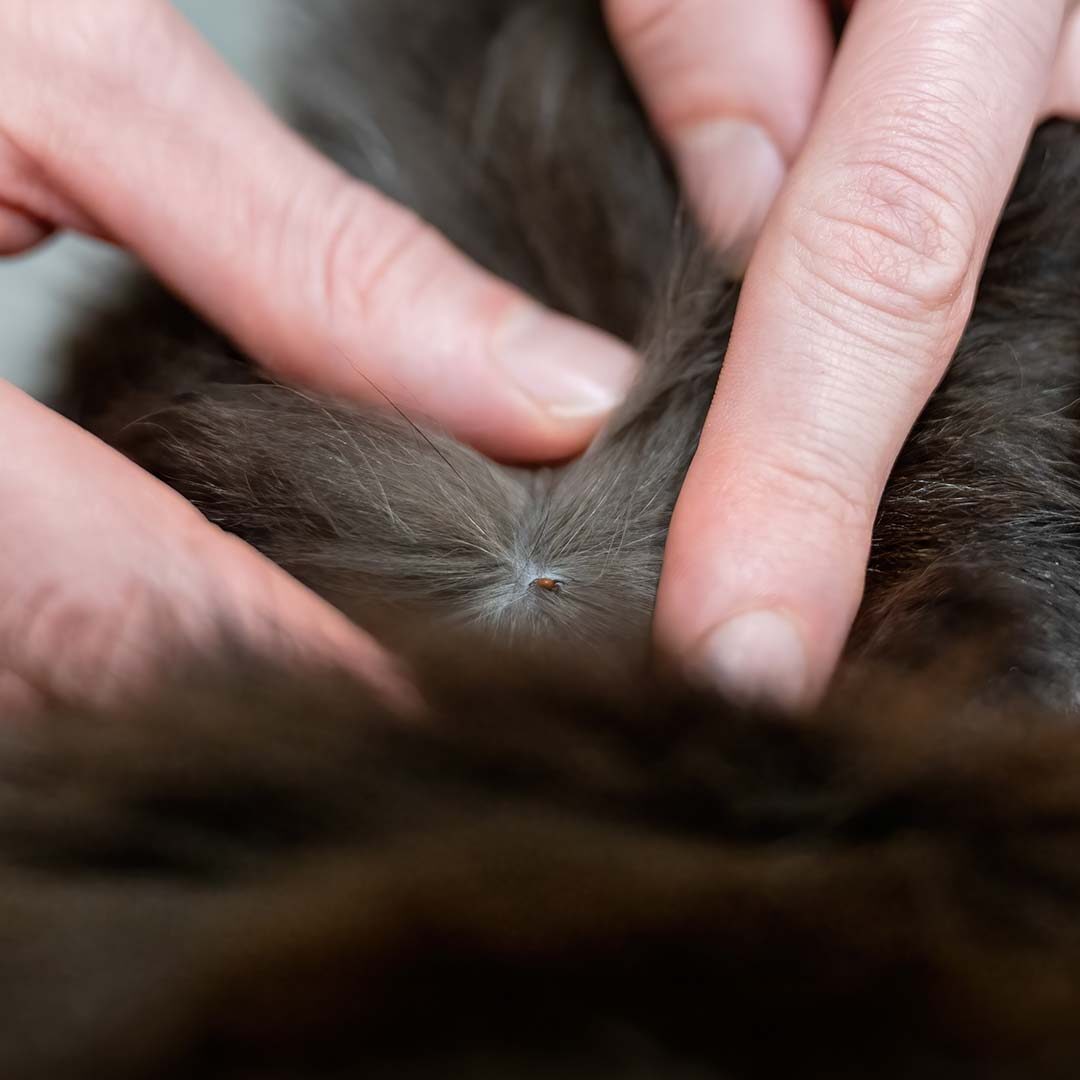
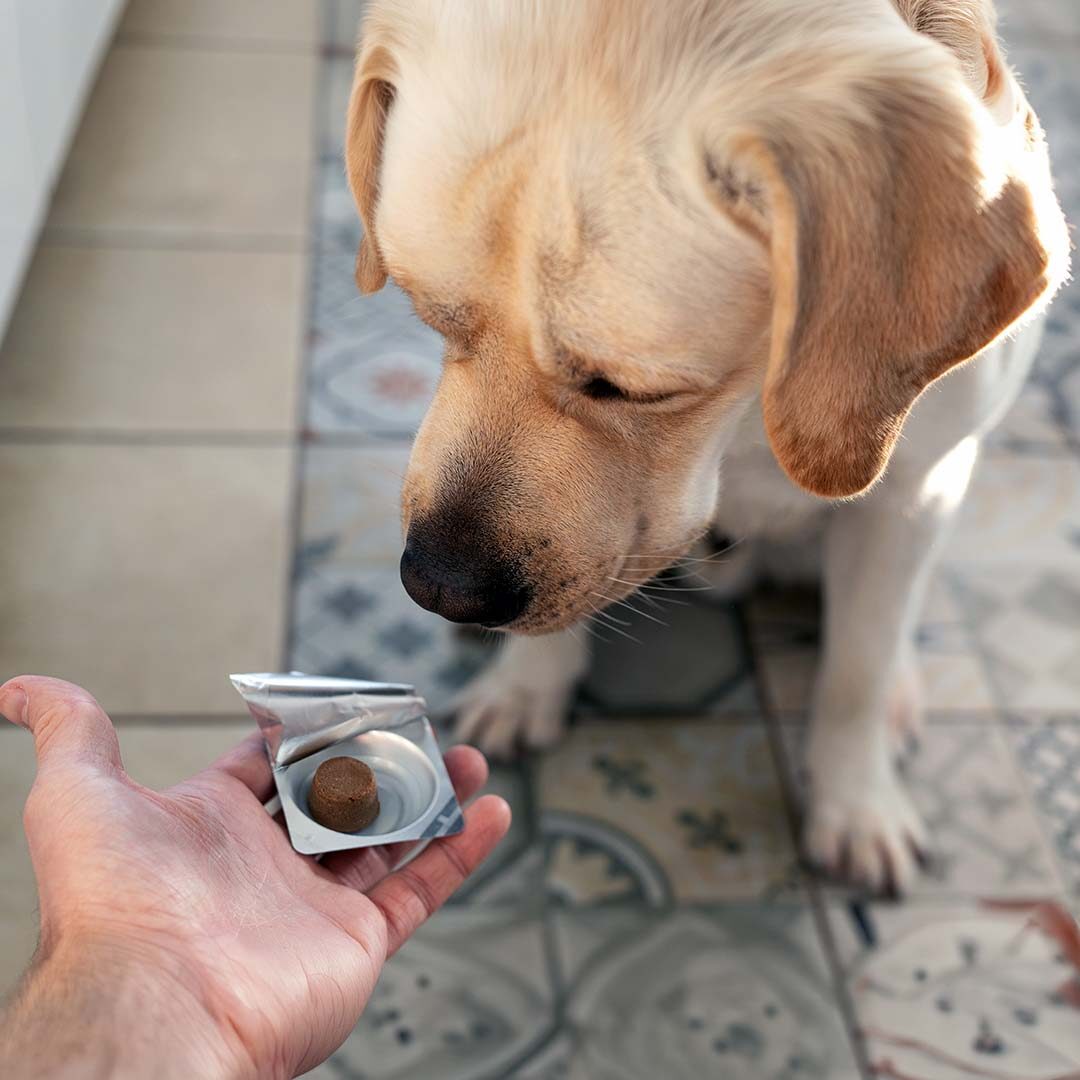
Does My Pet Really Need Parasite Prevention?
Parasite prevention is important for dogs and cats, including pets who spend most of their time indoors. Fleas, ticks, mosquitoes, and intestinal parasites do not always stay outside, and some can affect pets before you notice obvious signs.
Prevention helps protect your pet from itching, infection, illness, and diseases that may become difficult or expensive to treat. It also helps protect your home, other pets, and in some cases, the people in your household.
While cold weather may reduce some risks during certain times of year, it does not erase them. Our team can help you understand which parasites are most likely to affect your pet and how often prevention should be given.
What Side Effects Should I Watch for After Giving My Pet Parasite Prevention?
Most dogs and cats tolerate parasite prevention well, especially when the product is chosen based on their species, weight, age, and health history. Still, any medication or preventive product has the ability to cause side effects.
After giving parasite prevention, monitor your pet for changes in appetite, energy, skin, digestion, or behavior. Mild tiredness or brief stomach upset may occur with some products, but symptoms that are severe, persistent, or unusual should be reported to your veterinarian.
Depending on the type of prevention used, possible side effects may include:
-
Vomiting and/or diarrhea
-
Shaking, weakness, or unusual behavior
-
Facial swelling, hives, or signs of an allergic reaction
-
Excessive drooling
-
Itching or redness where a topical product was applied
-
Tiredness
-
Temporary coat residue from topical prevention
-
Lower appetite
Call our team right away if your pet has repeated vomiting, severe diarrhea, trouble breathing, collapse, tremors, facial swelling, or behavior that feels very abnormal. If you are unsure whether a reaction is serious, it is always okay to ask.
Never use dog parasite prevention on a cat unless your veterinarian specifically tells you it is safe. Some products made for dogs can be dangerous for cats.