

How Can I Calm A Nervous Dog Down Before a Vet Visit?
To calm a nervous dog before a vet visit, focus on reducing stress before you even leave the house through familiar scents, a calm car ride, and positive reinforcement, then continue that approach once you arrive at Mankato Veterinary Clinic. Every dog is different, but small, consistent steps at each stage of the trip can make a real difference. Mankato Veterinary Clinic works with pet owners regularly to find what helps calm a nervous dog and make appointments less stressful for everyone involved.
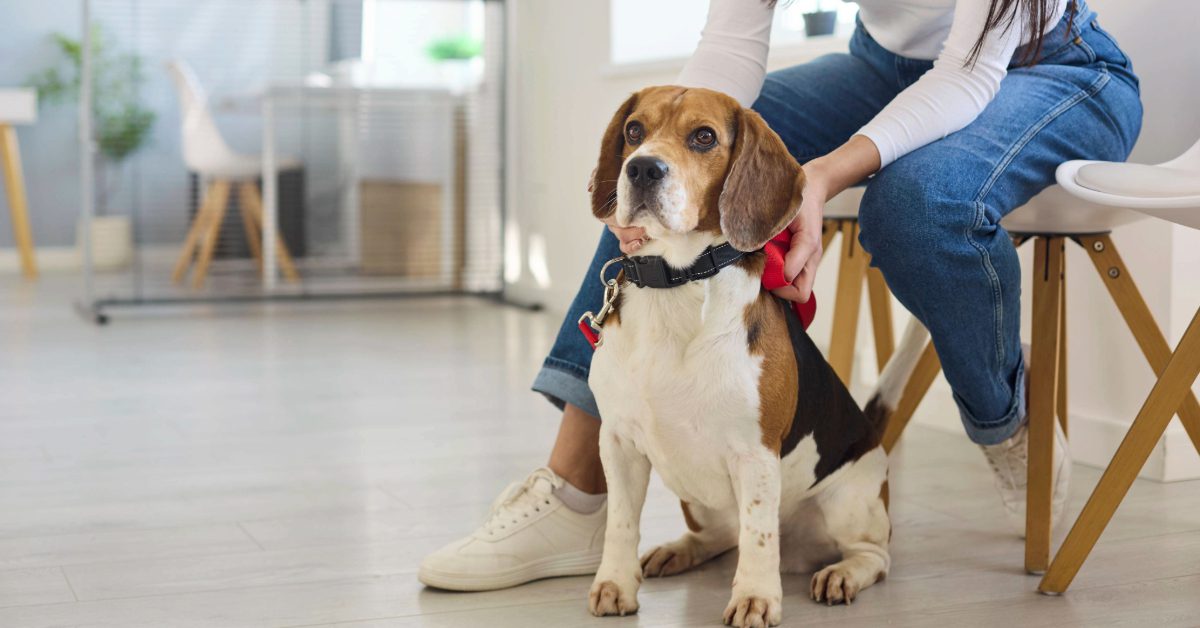
What Can I Do for My Dog with Vet Anxiety?
Dogs with vet anxiety often start showing stress signals before they even get in the car, which means preparation should begin well before the appointment itself. Knowing how to calm a nervous dog starts with understanding what triggers their anxiety in the first place, since many dogs pick up on subtle cues like a leash coming out or a carrier being pulled from the closet.
Preparing Before You Leave Home
- Bring a familiar blanket or toy that carries the dog’s scent, which can provide comfort in an unfamiliar environment
- Skip a large meal beforehand so treats offered at the clinic are more effective for redirecting attention
- Practice short car rides that don’t end at the vet, so the car itself doesn’t become a trigger
Owners who want to calm a nervous dog long-term should also pay attention to their own body language and tone before leaving the house. Dogs are highly perceptive to their owner’s stress, and an owner who seems rushed or anxious about the appointment can unintentionally reinforce the dog’s own nervousness. Taking a few extra minutes to leave calmly, rather than rushing out the door, can set a more relaxed tone for the entire trip.
Making the Car Ride Easier
The car ride itself is often a major source of stress for dogs with vet anxiety. Keeping the radio at a low volume, driving smoothly, and avoiding sudden stops can help calm a nervous dog before they even arrive. Some owners find that a well-ventilated crate or a secured harness in the backseat helps their dog feel more secure during the drive, since the movement and confinement of a car can heighten anxiety on top of whatever nerves the dog already has about the destination.
Building positive associations with the car itself, separate from the vet visit, is one of the most effective long-term strategies to calm a nervous dog. Short practice drives to a park, a drive-through pet bakery, or simply around the block and back home can help decouple the car from the idea that every ride ends somewhere uncomfortable. Over time, these low-stakes drives can make a real difference in how a dog reacts once they realize the car isn’t headed to the vet.
Some dogs also respond well to a familiar playlist or white noise during the drive, which can help mask outside sounds like traffic or sirens that might otherwise add to their stress. Pairing the car ride with a favorite chew toy can further help calm a nervous dog by giving them something familiar and soothing to focus on instead of the unfamiliar sounds and motion of the trip.
How Do I Stop My Dog From Shaking at the Vet?
Shaking is one of the most common physical signs of stress in dogs, and it typically shows up in the waiting room or exam room once the dog senses something unfamiliar is about to happen. Learning to calm a nervous dog in the moment means recognizing these signals early and responding before the shaking escalates into more intense stress behaviors like panting, drooling, or trying to hide. Additional tips to try include:
- Sitting or crouching at the dog’s level rather than standing over them, which can feel less intimidating
- Speaking in a calm, low voice instead of using an excited or anxious tone, since dogs pick up on vocal cues
- Offering continuous small treats throughout the wait and exam to keep the dog’s focus on something positive
Mankato Veterinary Clinic staff are trained to work at a pace that helps calm a nervous dog rather than rushing through the appointment. If a dog is visibly shaking, our team may pause, let the dog sniff the room, or adjust their handling approach before continuing. This flexibility often makes the difference between a visit that ends calmly and one that leaves a lasting negative impression, and it’s a big part of how the clinic approaches every anxious patient.
Recognizing When Shaking Signals More Than Nerves
Occasional shaking is common in nervous dogs, but persistent trembling that doesn’t improve with calming techniques is worth mentioning to our veterinary team. We can help determine whether the shaking is purely anxiety-related or something that warrants a closer look, since trembling can occasionally point to pain or an underlying medical issue rather than fear alone.
What Is the Best Pre-Appointment Sedative for Dogs?
For dogs with significant vet anxiety, some owners ask their veterinarian about pre-appointment medication as one option to calm a nervous dog before a stressful visit. This is a decision that should always be made directly with your veterinarian, since the right approach depends on the individual dog’s health history, weight, and temperament.
Why This Conversation Belongs with Your Vet
There isn’t a single sedative that works best for every dog, which is why Mankato Veterinary Clinic evaluates each case individually rather than offering a one-size-fits-all recommendation. Factors like age, breed, existing health conditions, and the severity of the dog’s anxiety all play a role in what a veterinarian might suggest, and what works well for one dog may not be appropriate for another.
What to Expect From the Conversation
Pet owners who want to explore medication options to calm a nervous dog should schedule a conversation with their veterinarian well before the appointment that’s causing concern. This gives the vet time to discuss options, address any health considerations, and determine whether medication is even the right fit, since many dogs respond well to behavioral techniques alone and may not need medication at all.
Bringing up vet anxiety early, rather than waiting until the day of a stressful appointment, also gives our clinic time to plan ahead. Staff can schedule a longer appointment window, prepare a quieter space, or coordinate with your veterinarian on handling techniques designed to calm a nervous dog before any medication conversation even becomes necessary. This kind of advance planning tends to produce better results than trying to manage a dog’s anxiety on the fly during a fully booked appointment day. Front desk staff at Mankato Veterinary Clinic can also flag a pet’s file so that every team member who interacts with the dog on future visits is already fully aware of the extra care needed to calm a nervous dog properly.
Helping Your Dog Feel Safe Over Time
Learning how to calm a nervous dog isn’t usually about one single trick. It’s a combination of small, consistent efforts that add up over multiple visits. The more positive experiences a dog has, the more their baseline anxiety tends to decrease over time, and small wins at each visit tend to build on one another.
Mankato Veterinary Clinic encourages pet owners to view every appointment as an opportunity to build trust, not just get through a checklist. Whether it’s a familiar blanket, a slower pace, or an open conversation with our veterinary team, the goal is always the same: helping dogs feel a little more at ease each time they walk through the door, so that learning to calm a nervous dog becomes less of a challenge with every visit. Call us at (507) 735-6446 to schedule your pet’s visit with our team today.
Recent Posts
About Us
At Mankato Veterinary Clinic in Mankato, MN, we provide personal, privately owned veterinary care for dogs and cats at every stage of life. We’re here to make each visit feel comfortable, clear, and centered on what your pet needs.