

Fresher Breath and Healthier Smiles: Cat and Dog Teeth Cleaning in Mankato, MN
Bad breath can be easy to ignore until you realize it may be your pet’s way of telling you something is wrong. Dental disease can hide below the gumline, causing pain, infection, loose teeth, and changes in eating or behavior long before your dog or cat clearly shows discomfort.
Our Mankato, MN team performs cat and dog teeth cleanings with careful attention to your pet’s comfort, safety, and long-term oral health. We will examine your pet’s mouth, explain what we see, and help you understand whether a dental cleaning or additional treatment may be needed.
If your pet has bad breath, tartar, or trouble chewing, schedule a visit with our team by calling (507) 735-6446 or booking online.
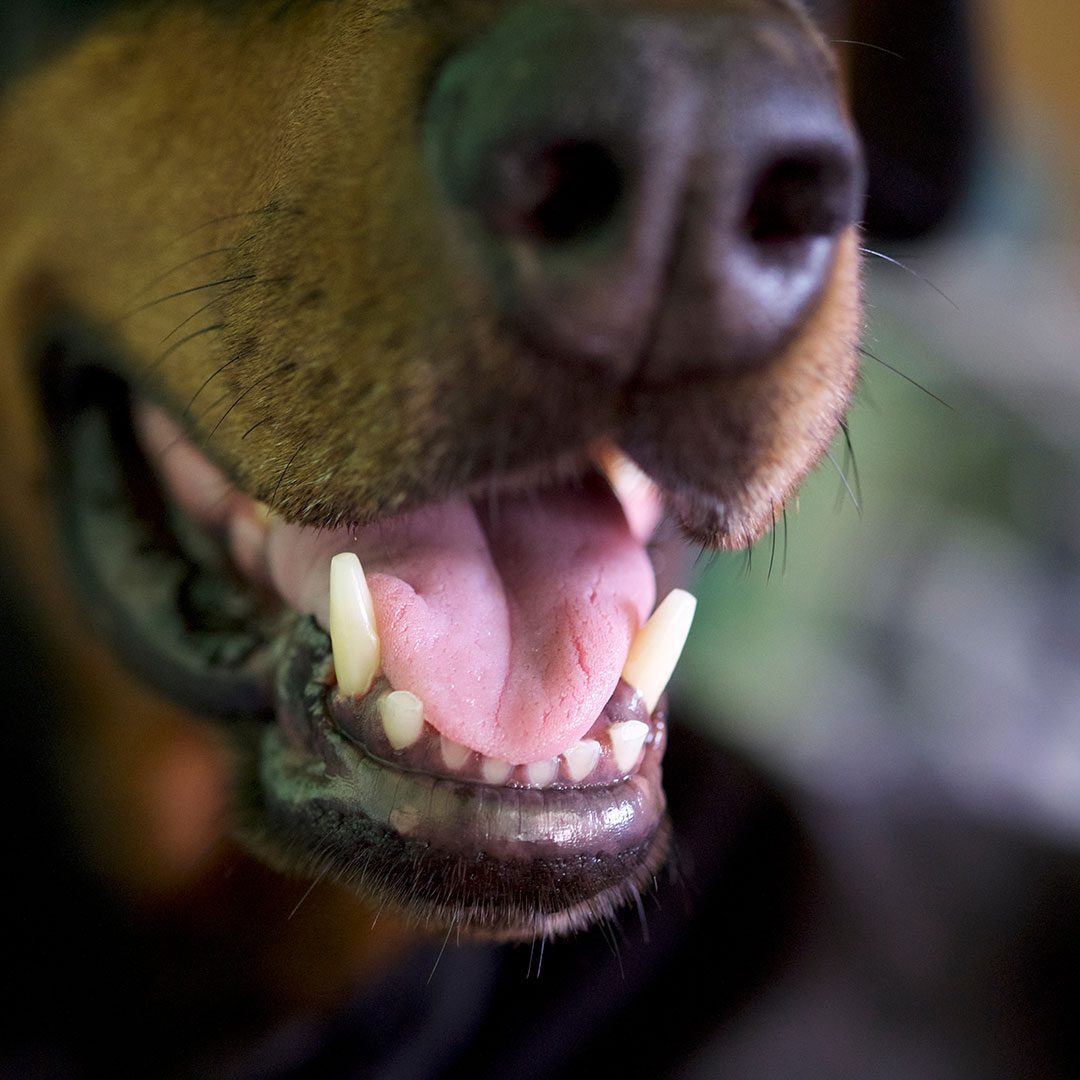
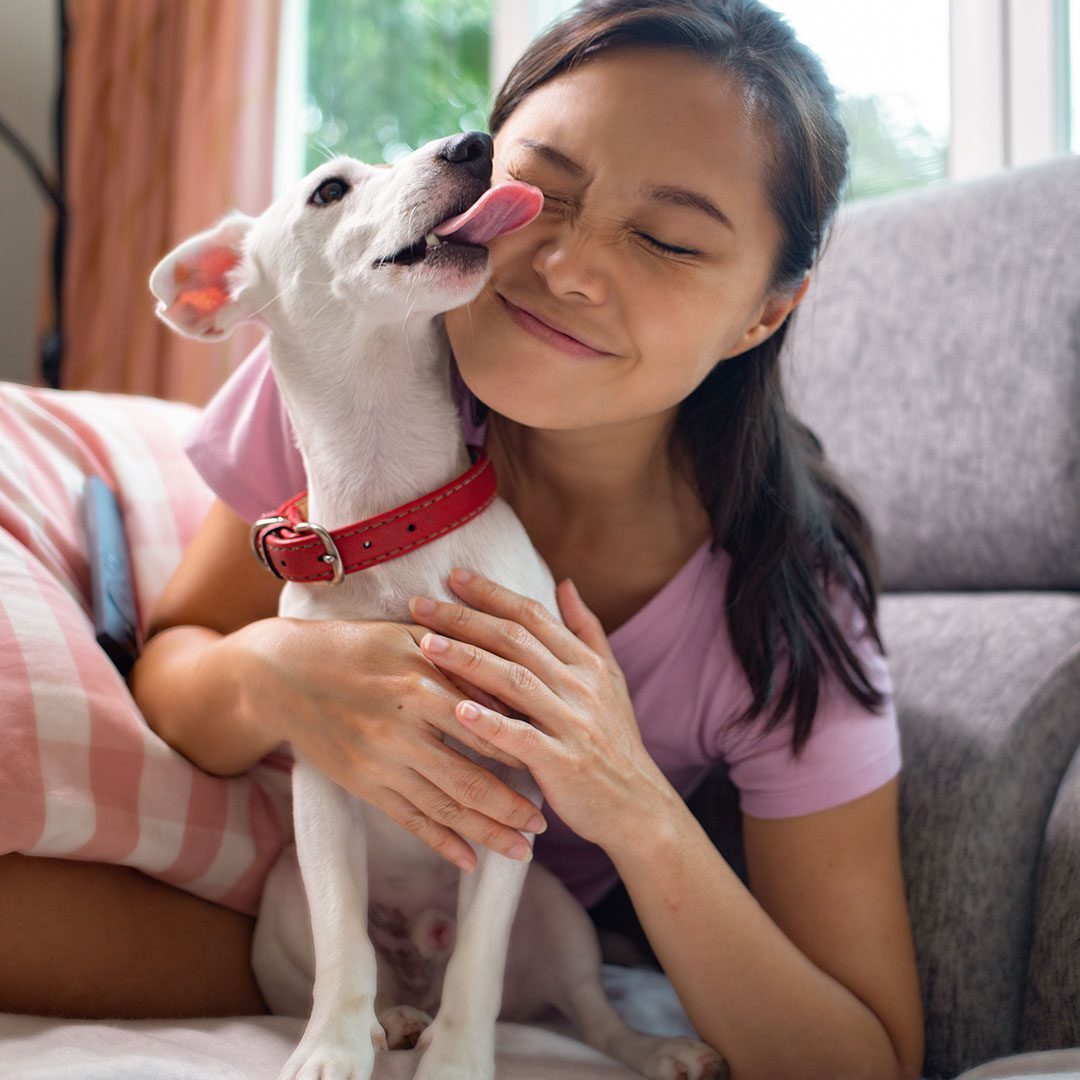
Why Does Your Pet Need Regular Dental Care?
Dental care is about much more than clean teeth. Your pet uses their mouth all day to eat, play, chew, groom, carry toys, and communicate. When their mouth hurts, daily life can become uncomfortable in ways that are easy to miss.
Plaque and tartar can build up along the teeth and under the gumline. Over time, bacteria can lead to gingivitis, periodontal disease, tooth root problems, infection, tooth loss, and even organ damage. Many pets keep eating even when their mouth hurts, which means dental disease can become advanced before families realize how much discomfort their pet has been carrying.
What Happens During a Cat or Dog Teeth Cleaning?
A professional dental cleaning allows us to clean your pet’s teeth above and below the gumline, where the most important dental problems often begin. Because pets cannot sit still, rinse, or tell us where it hurts, dental cleanings are performed under anesthesia for safety and comfort.
Before your pet’s dental procedure, we will review their health, talk with you about the plan, and discuss any recommended pre-anesthetic testing. We want you to know what to expect before the day of the cleaning.
During a dental cleaning, our team will:
-
Examine your pet’s mouth, teeth, and gums
-
Monitor your pet while they are under anesthesia
-
Remove plaque and tartar from the teeth
-
Clean above and below the gumline
-
Polish the teeth
-
Take dental X-rays of every tooth
-
Check for loose, fractured, infected, or painful teeth
-
Perform extractions when indicated
-
Provide pain management and recovery support
What Can You Expect After Your Pet’s Dental Cleaning?
After a dental cleaning, your pet may be sleepy, hungry, or a little quieter than usual as they recover from anesthesia. Our team will review home care instructions before your pet goes home so you know what to expect.
If your pet only had a cleaning, recovery is often fairly smooth. If your pet had extractions or other dental treatment, they may need softer food, activity adjustments, and extra monitoring during healing. We will explain any specific instructions based on what was done during the procedure.
Call our team if your pet will not eat, seems very painful, has significant bleeding, develops swelling, or you feel worried about their recovery. We would rather hear from you early than have you sit at home wondering.
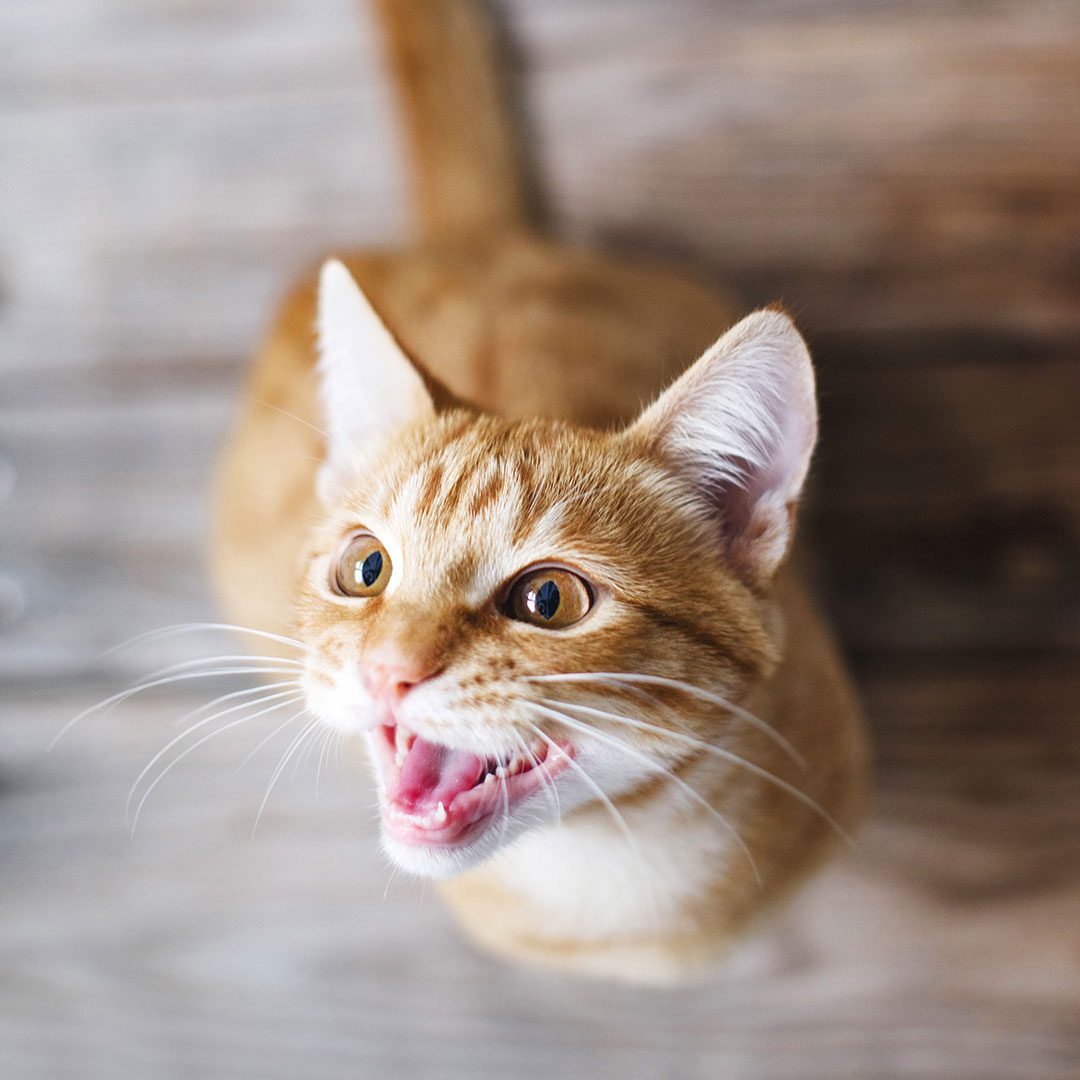
How Can You Care for Your Pet’s Teeth at Home?
Home dental care can help slow plaque and tartar buildup between professional cleanings. The best plan is the one you can keep up with consistently and safely.
Brushing your pet’s teeth with pet-safe toothpaste is one of the most helpful habits for oral health. Some pets adjust well to brushing when you start slowly and keep the experience positive. Others may need different options based on their comfort level and personality.
At-home dental care may include:
-
Tooth brushing with pet-safe toothpaste
-
Vet-recommended dental chews
-
Dental diets when appropriate
-
Oral rinses or wipes recommended by your veterinarian
-
Regular dental exams
-
Professional cleanings when needed
Avoid using human toothpaste, hard items that can fracture teeth, or products that are not made for your pet’s species. If you are not sure what is safe, ask us. We can help you choose options that fit your pet and your routine.